From Legacy Chaos to Public Trust: Revamping the National Pet Registration System

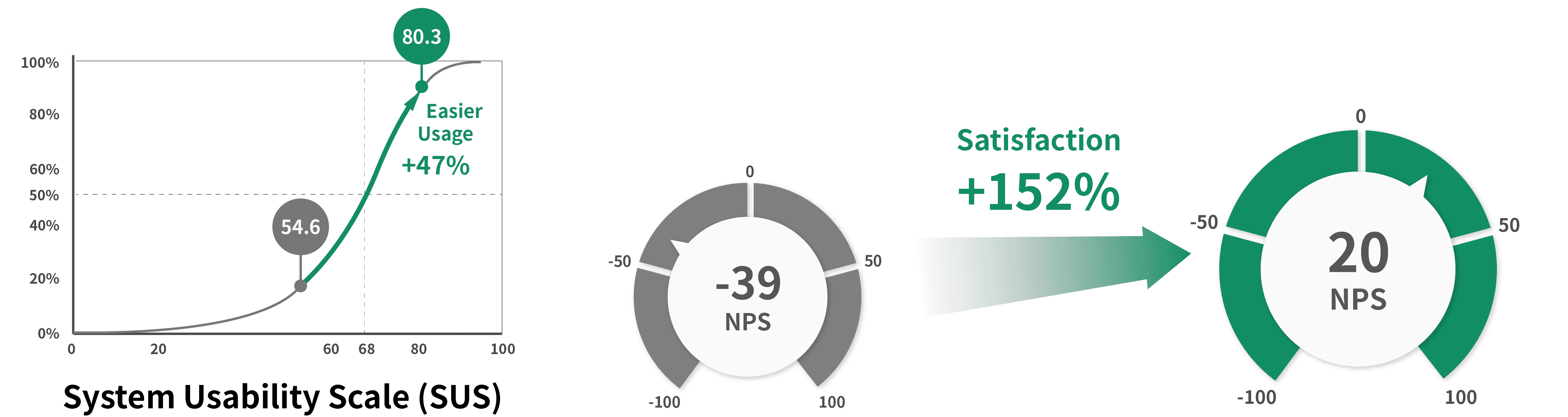
A comprehensive UX overhaul achieving a 47% increase in System Usability Scores (SUS) by aligning government, developers, and public needs.

My Role

UX Researcher & Designer

Team

1 Project Manager, 3 UX Researchers (Me)

Company

DITLDESIGN (Client: Ministry of Agriculture)

Tools

Figma, Google Analytics, Remote Testing Tools

Introduction

Transforming Data into Policy: Saving a Legacy Government System

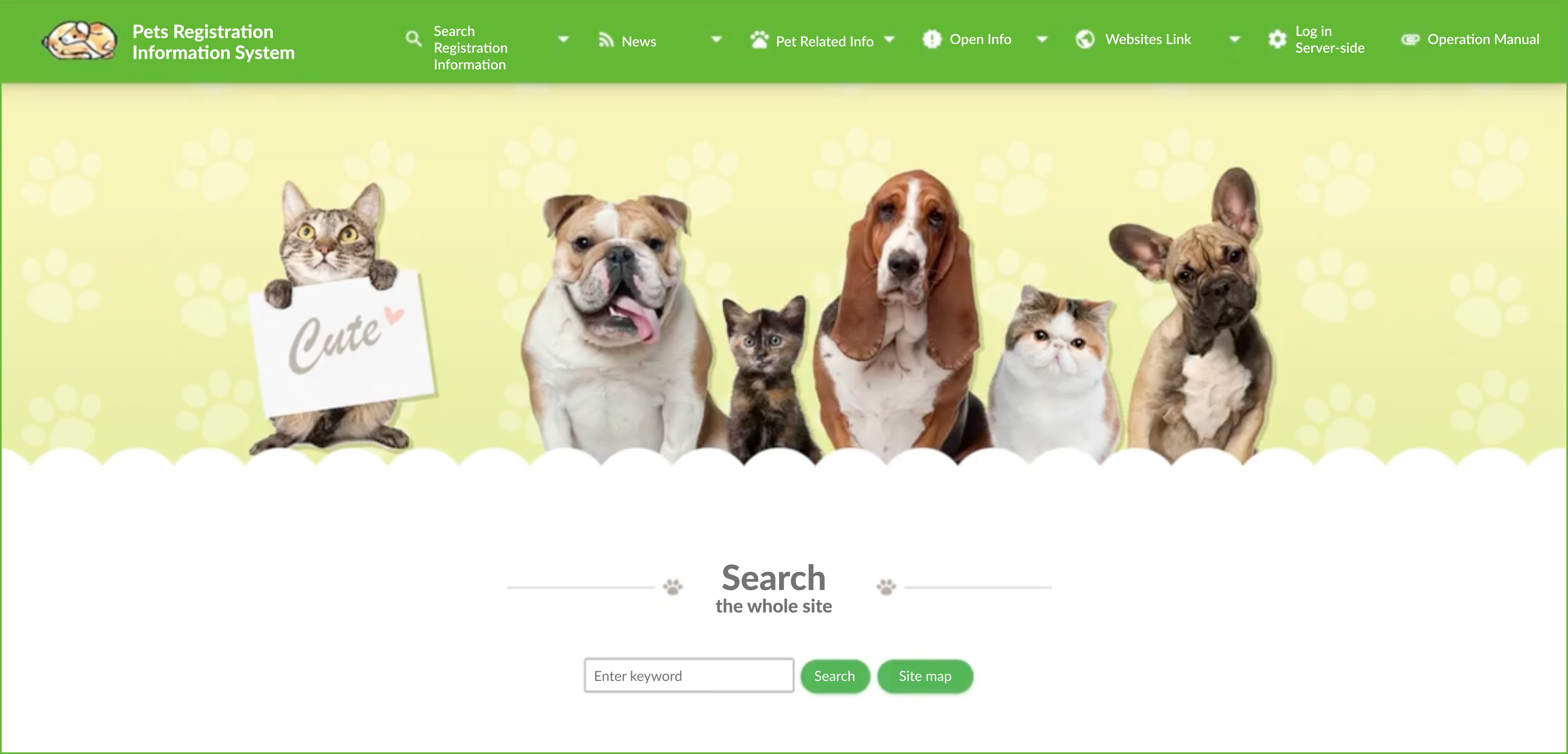
The Pet Registration Information System (PRIS) is the digital backbone of animal welfare in Taiwan, housing critical data on pets, owners, and strays. However, the system suffered from years of unstructured patch updates, rendering it nearly unusable. This project wasn't just about UI cleanup; it was about fixing a broken data pipeline. By improving usability, we aimed to increase accurate data entry from the public and vets, thereby empowering the government to make better decisions regarding stray animal management and welfare budgets.

Stakeholder and Problem Statement

A Disconnected Ecosystem with Divergent Goals

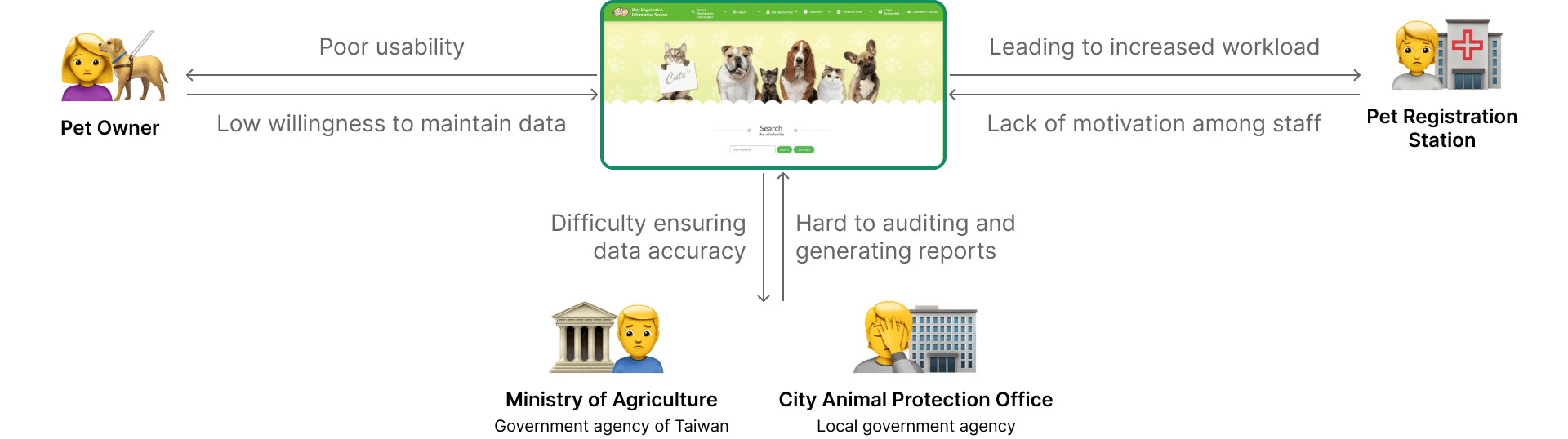
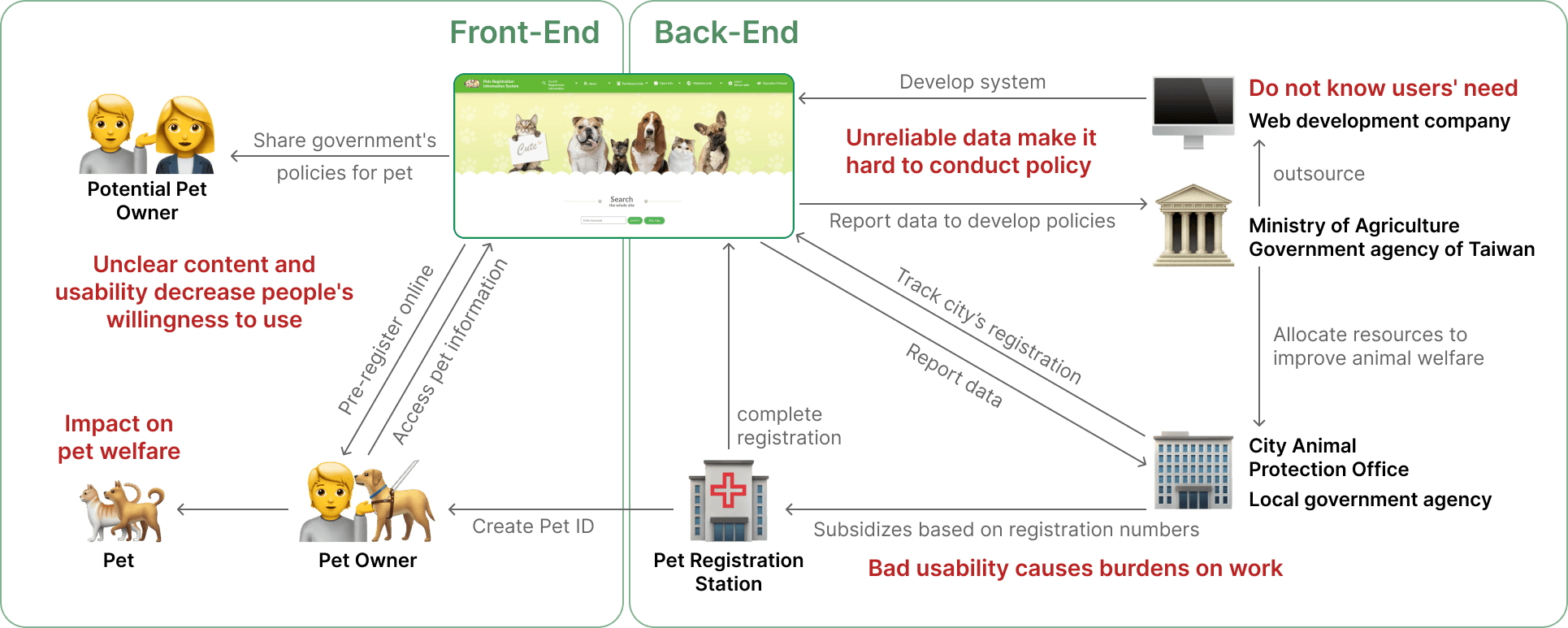
The core problem was a misalignment between three key stakeholders: the Government (needing accurate data), the Vendor (prioritizing development speed over usability), and the Users (Owners, Vets, and NGOs struggling with a confusing interface). The system had become a "feature soup" with poor navigation and redundant workflows. This friction led to inaccurate data input, rendering the database useless for policy evaluation. We needed to unify these groups and prove that better UX leads to better data.

My Role and Responsibility

Orchestrating Research and Driving Engineering Buy-in

Our team served as the bridge between the end users and the development team. My primary responsibility was to diagnose systemic issues through mixed-method research and translate those insights into actionable design specifications. We led the restructuring of the Information Architecture (IA) and managed the stakeholder communication strategy, using quantitative data to convince the resistant development vendor to prioritize UX fixes.

Process

From Heuristics to Mass Validation

To tackle the system's complexity, we employed a rigorous research phase:
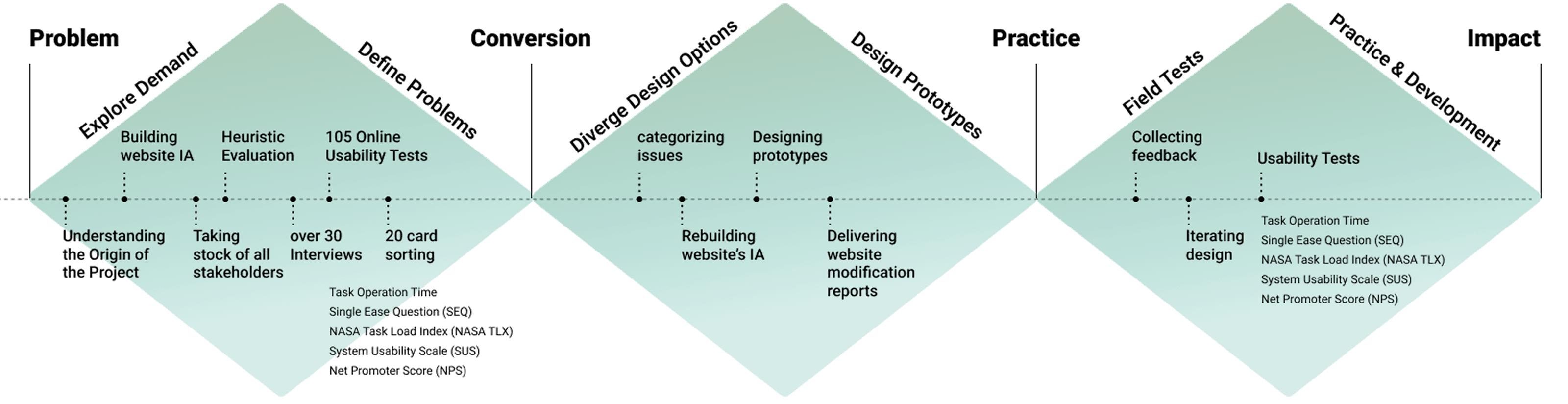
Stakeholder Interviews

We mapped the conflicting needs of government officials versus frontline workers (shelters/vets).

Heuristic Evaluation

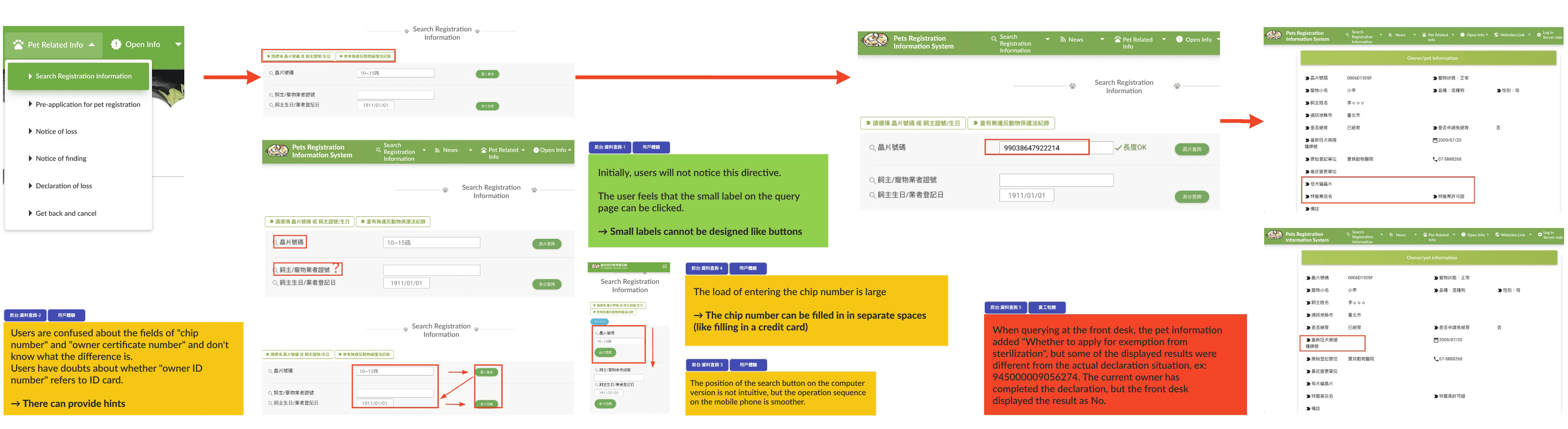
We audited every page to identify technical usability flaws.

Quantitative & Qualitative Testing

We conducted over 105 remote usability tests and 30 in-depth interviews.

IA Reconstruction

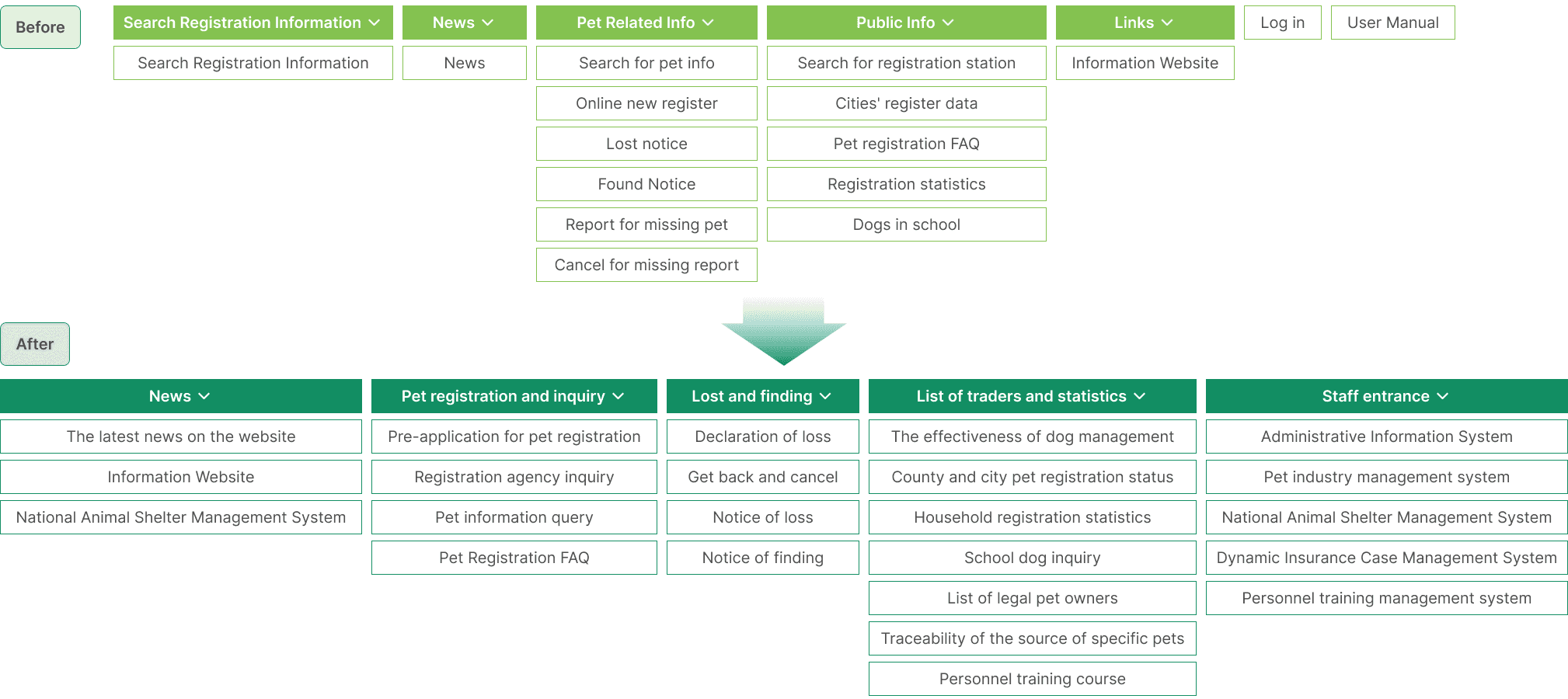
We utilized Card Sorting (20 sessions) to reorganize the navigation from a confusing 17-item list into 5 intuitive categories.Constraint Management: Due to strict Personal Data Protection laws, we could not test with live data. I coordinated the creation of a mock testing environment to simulate real-world scenarios without breaching privacy regulations.

Solution and Implementation

A Tiered Strategy for Engineering Handoff

We recognized that we couldn't fix everything at once. To ensure the engineering team remained motivated, I categorized the 126 identified issues into a "Three-Tier Priority System":

Tier 1

Critical

Showstoppers that prevented task completion.

Tier 2

Friction

Tasks were possible but painful.

Tier 3

Optimization

Efficiency improvements.
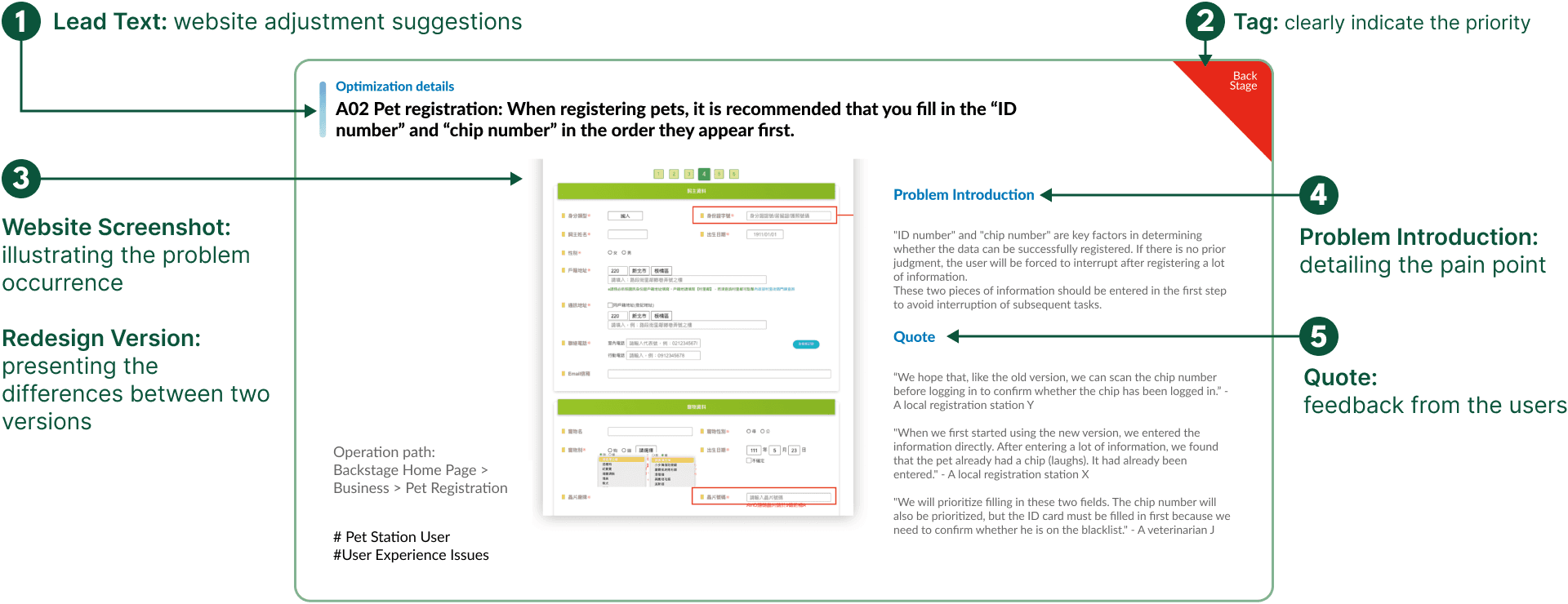
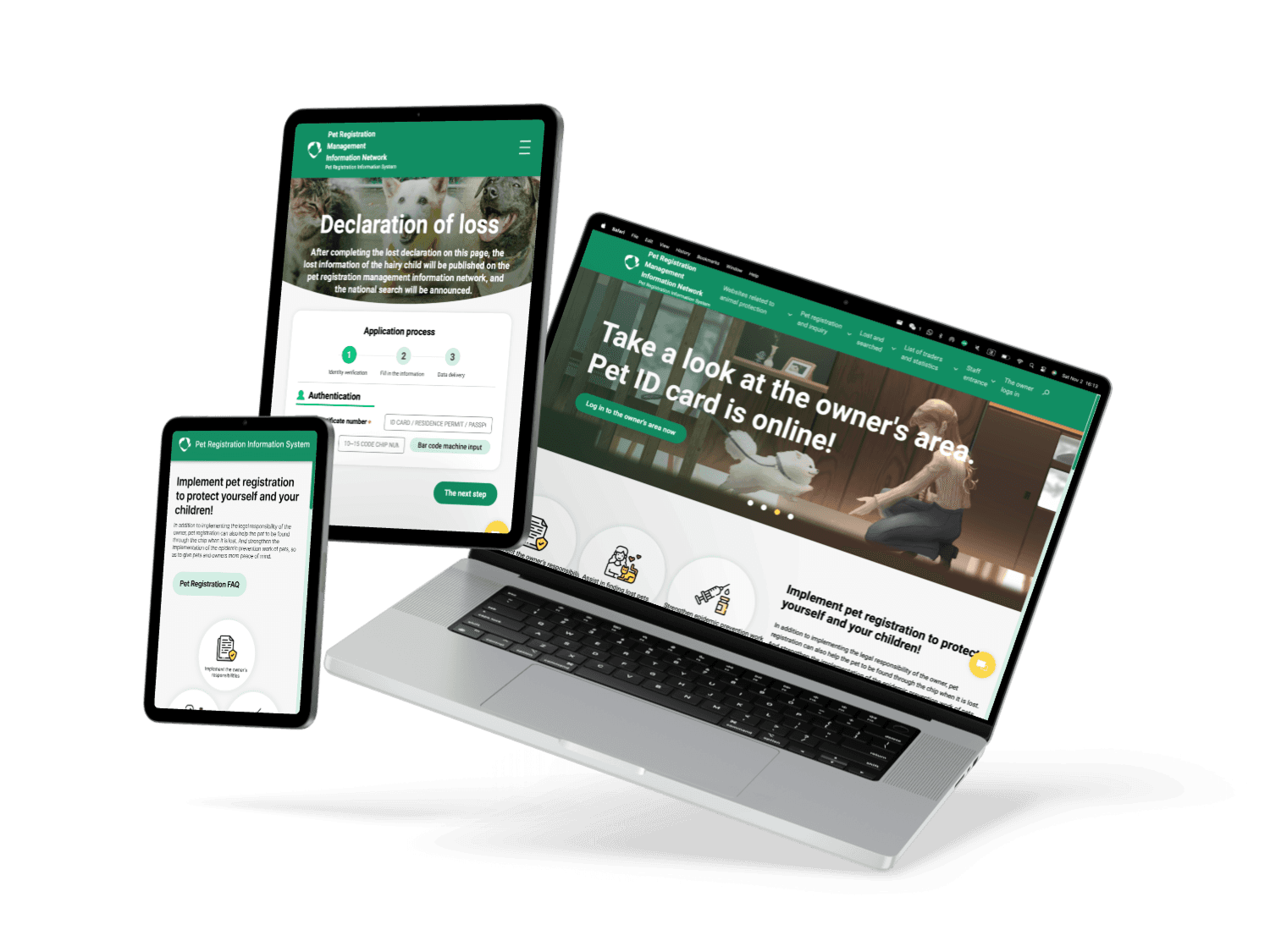
We delivered 56 fully redesigned pages and a new Information Architecture map. This structured approach gave the developers a clear roadmap, transforming an overwhelming list of bugs into a manageable sprint plan.

Testing and Iteration

Validating the Redesign with Diverse User Groups
Given the diversity of our user base, ranging from tech-savvy pet owners to busy administrative staff at shelters, we conducted distinct validation rounds for each persona. We utilized remote unmoderated testing to gather broad feedback quickly. This allowed us to iterate on the specific needs of "Power Users" (Vets/Admins) who needed efficiency, versus "Casual Users" (Owners) who needed guidance.

Results and Impact

Measurable Success: Turning Detractors into Promoters
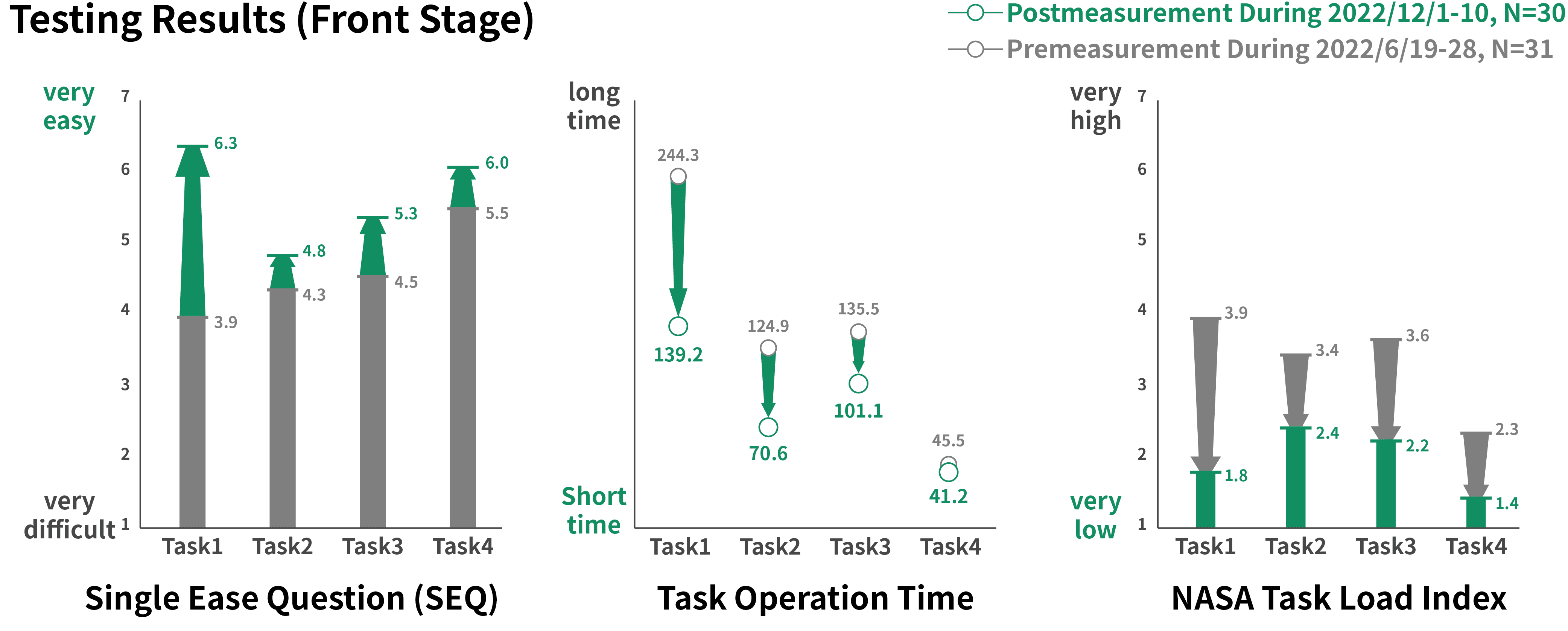
The optimization delivered distinct, quantifiable improvements in user sentiment and system efficiency:

Conclusion

Design as a Communication Tool

This project reinforced that in complex government projects, a designer's most powerful tool is data. By presenting the development vendor with clear video evidence of user struggles and quantitative metrics, we shifted their mindset from "feature completion" to "user success." The project not only fixed the immediate interface issues but established a new standard for how the agency approaches digital product development.

Read more