Bridging Physical Interaction and Interface to Reduce Daily Salt Intake
Designing a smart salt cellar that subtly reshapes cooking behavior for elderly users with hypertension.
My Role
Team
Skills
Tools
Introduction
How might we help elderly users reduce salt intake without changing their cooking habits?

Stakeholder and Problem Statement
Balancing health awareness, usability, and family care

Primary users were elderly individuals (67–75) who cook daily.

Secondary stakeholders included adult children and healthcare providers who care about long-term health monitoring.
Process
From behavioral research to integrated hardware-interface design
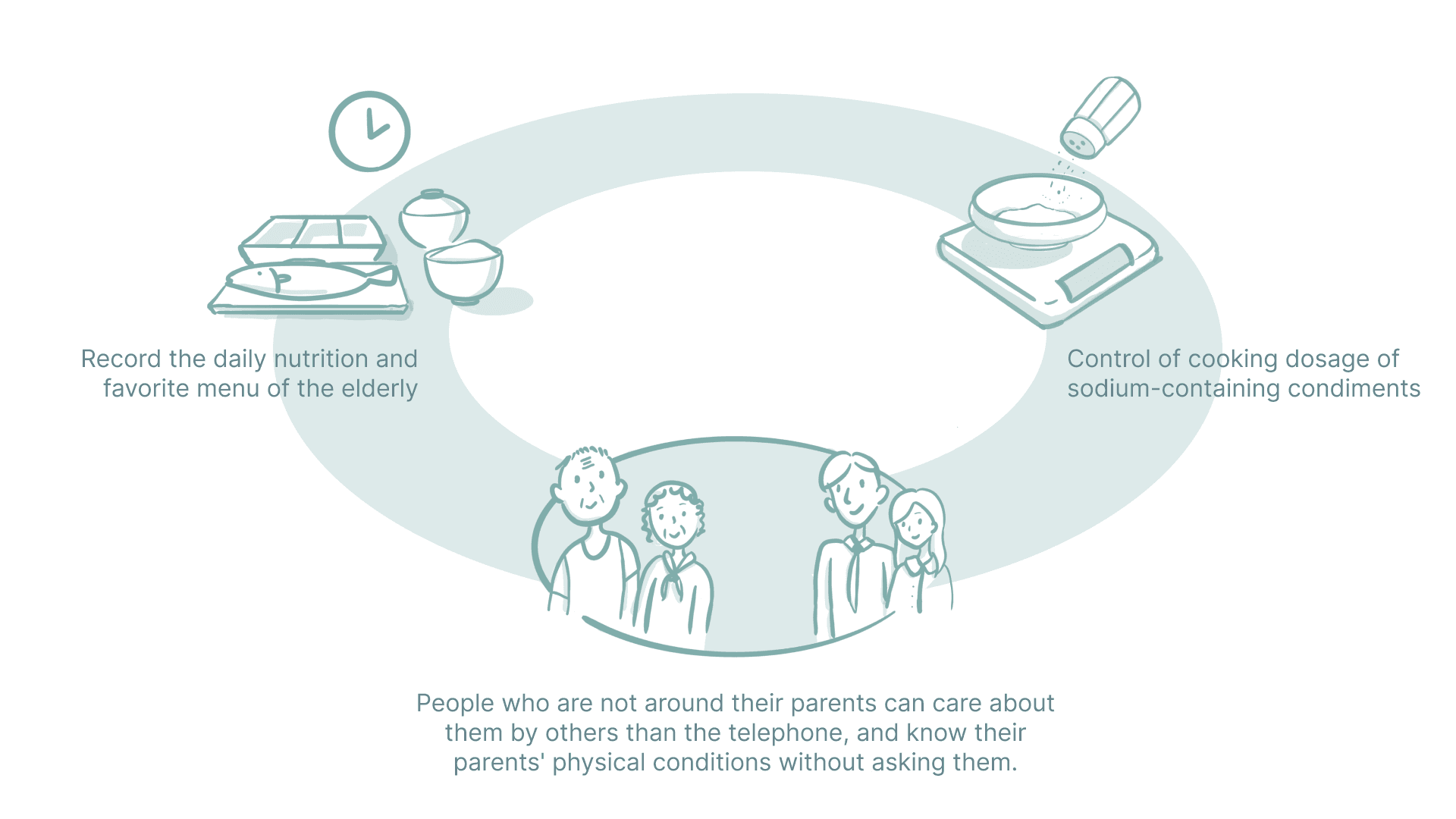
We conducted interviews with elderly users and caregivers to understand cooking habits and salt usage patterns.



Scope constraints included manufacturability, salt flow mechanics, and ease of cleaning.
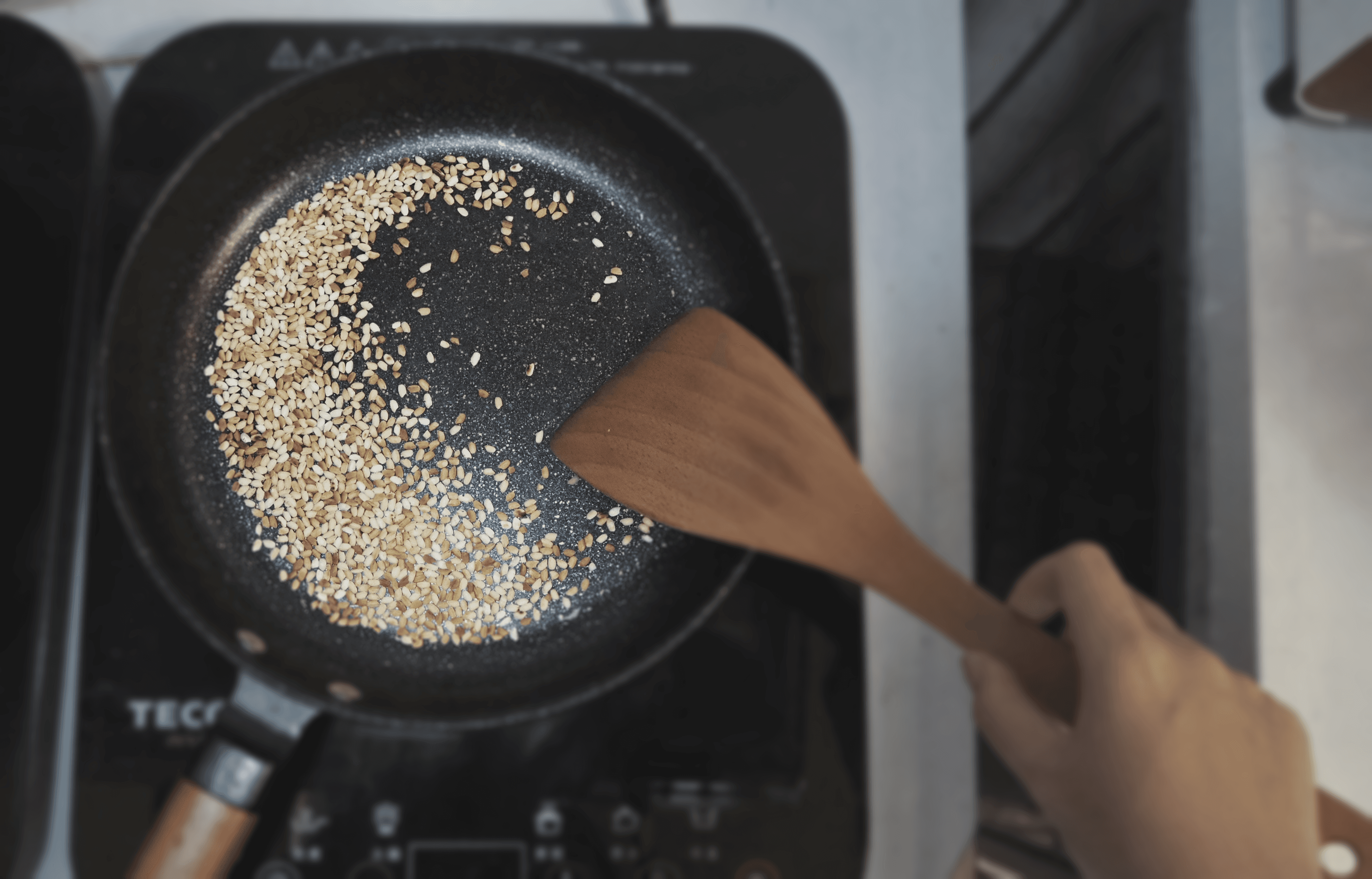
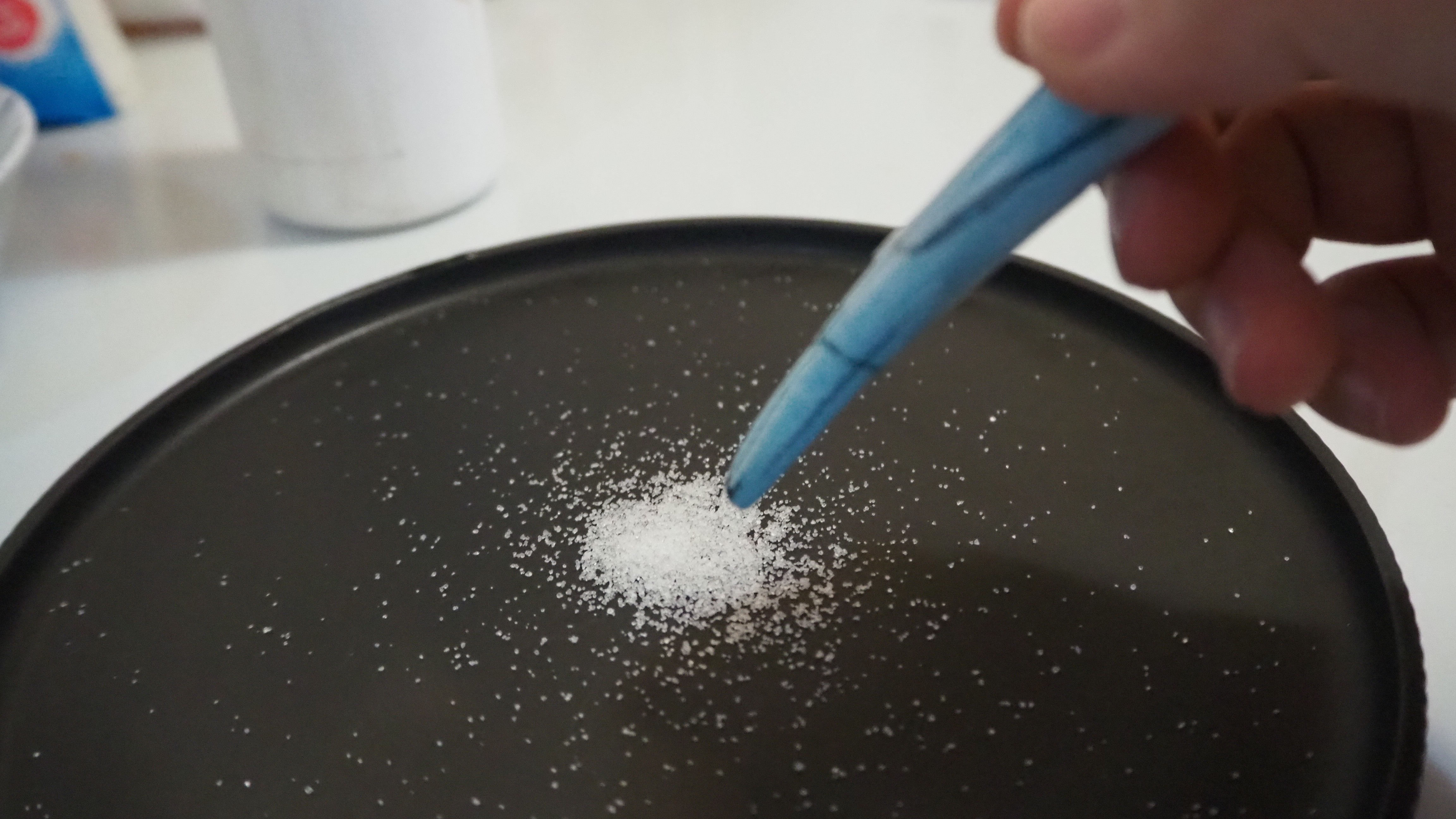
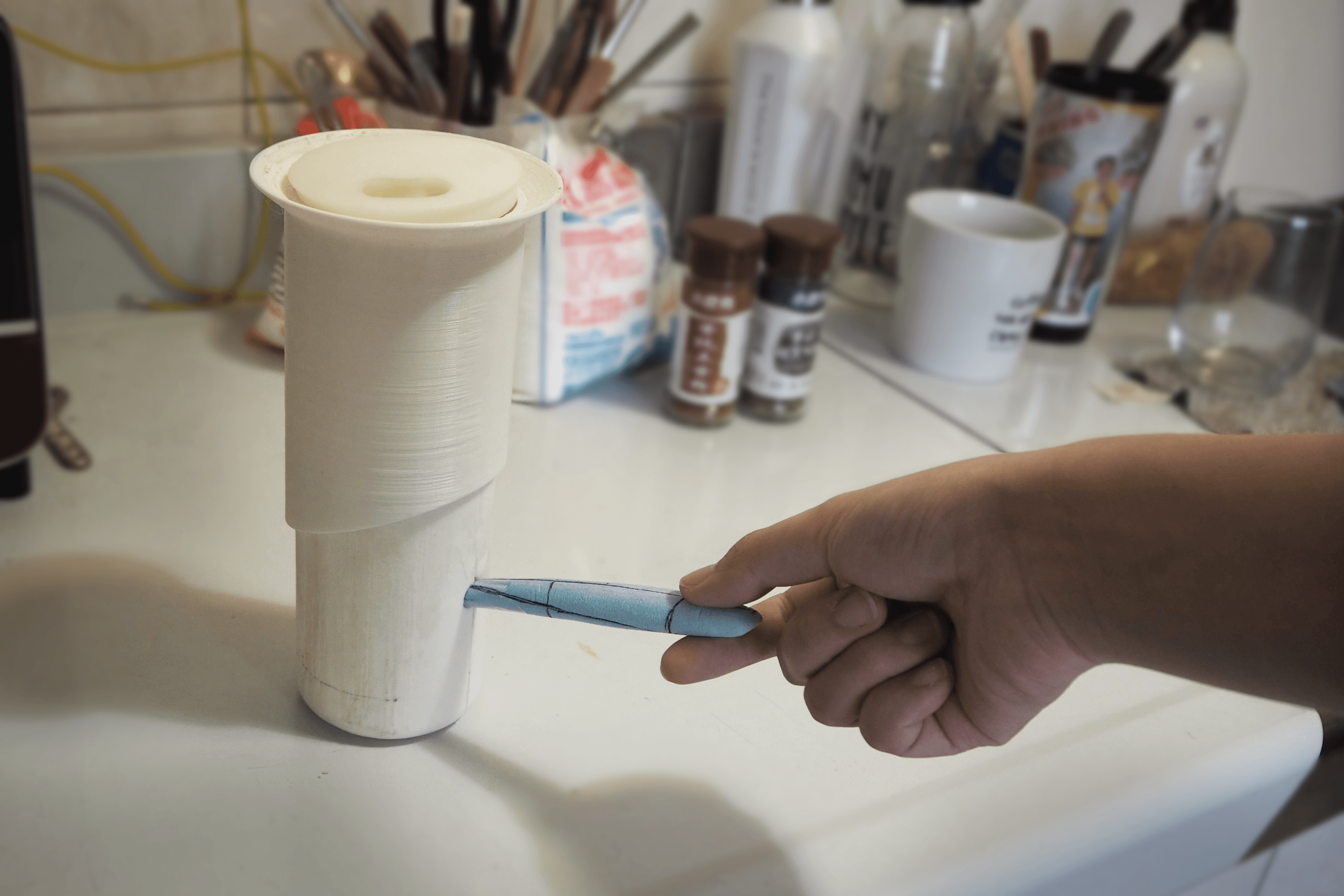
We focused on designing around existing behavior rather than forcing behavioral change, which led us to control salt output through form and flow rate instead of relying only on digital reminders.
Design Goals & Solution and Implementation
Designing for subtle behavior correction through form, flow, and feedback
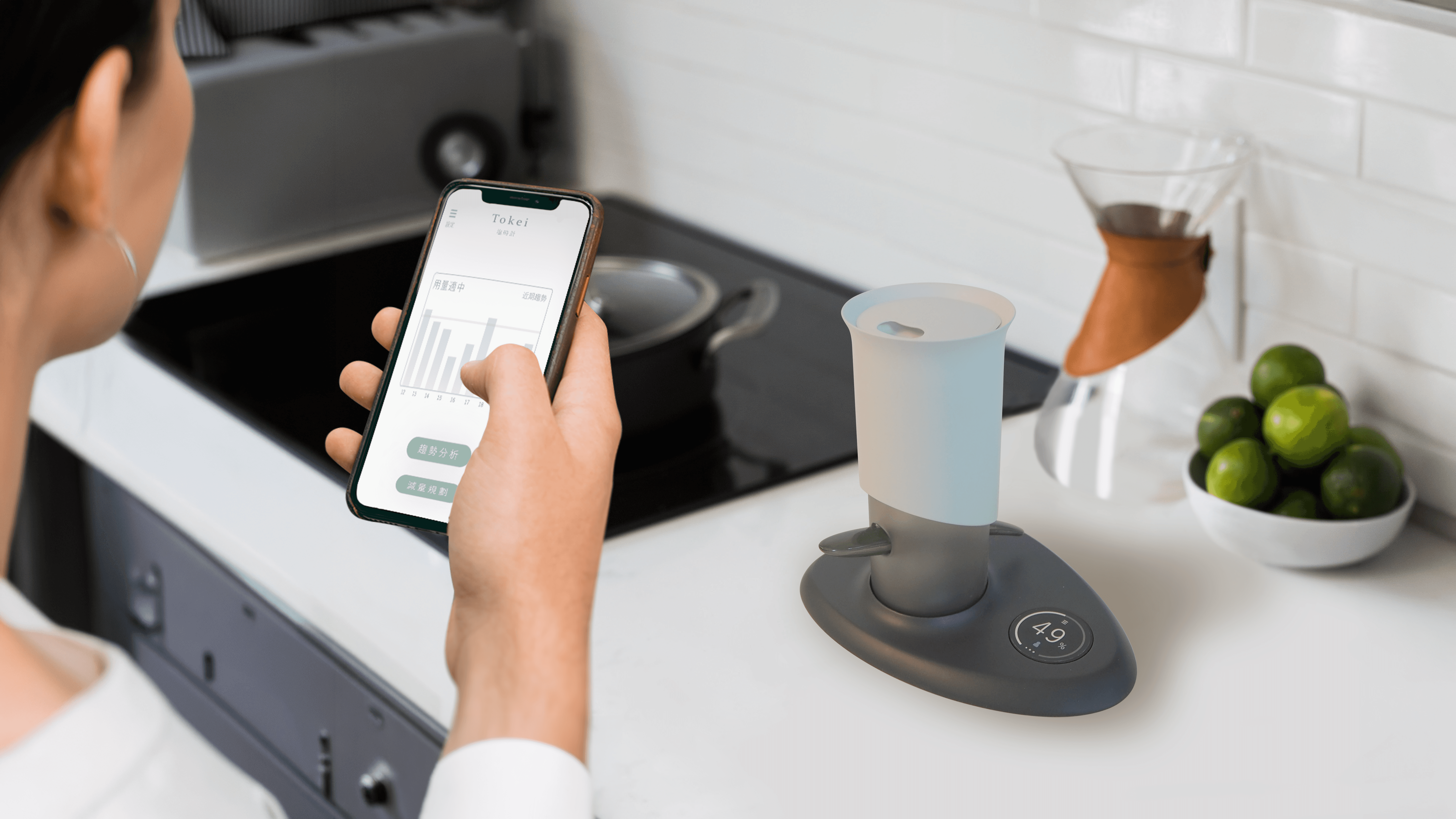
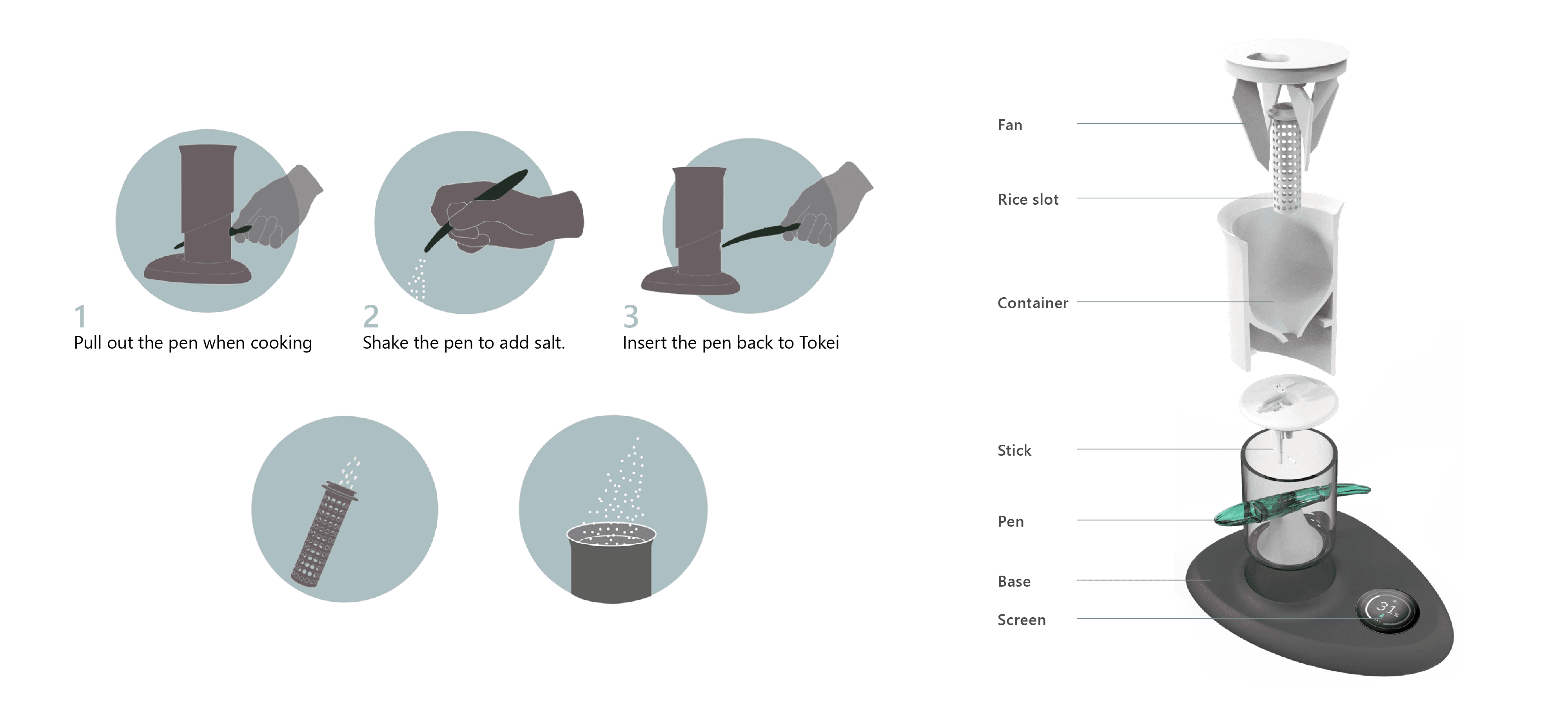
We designed a “salt pen” inspired by an hourglass to control flow rate physically. The base included a scale that detects weight changes and records daily usage.
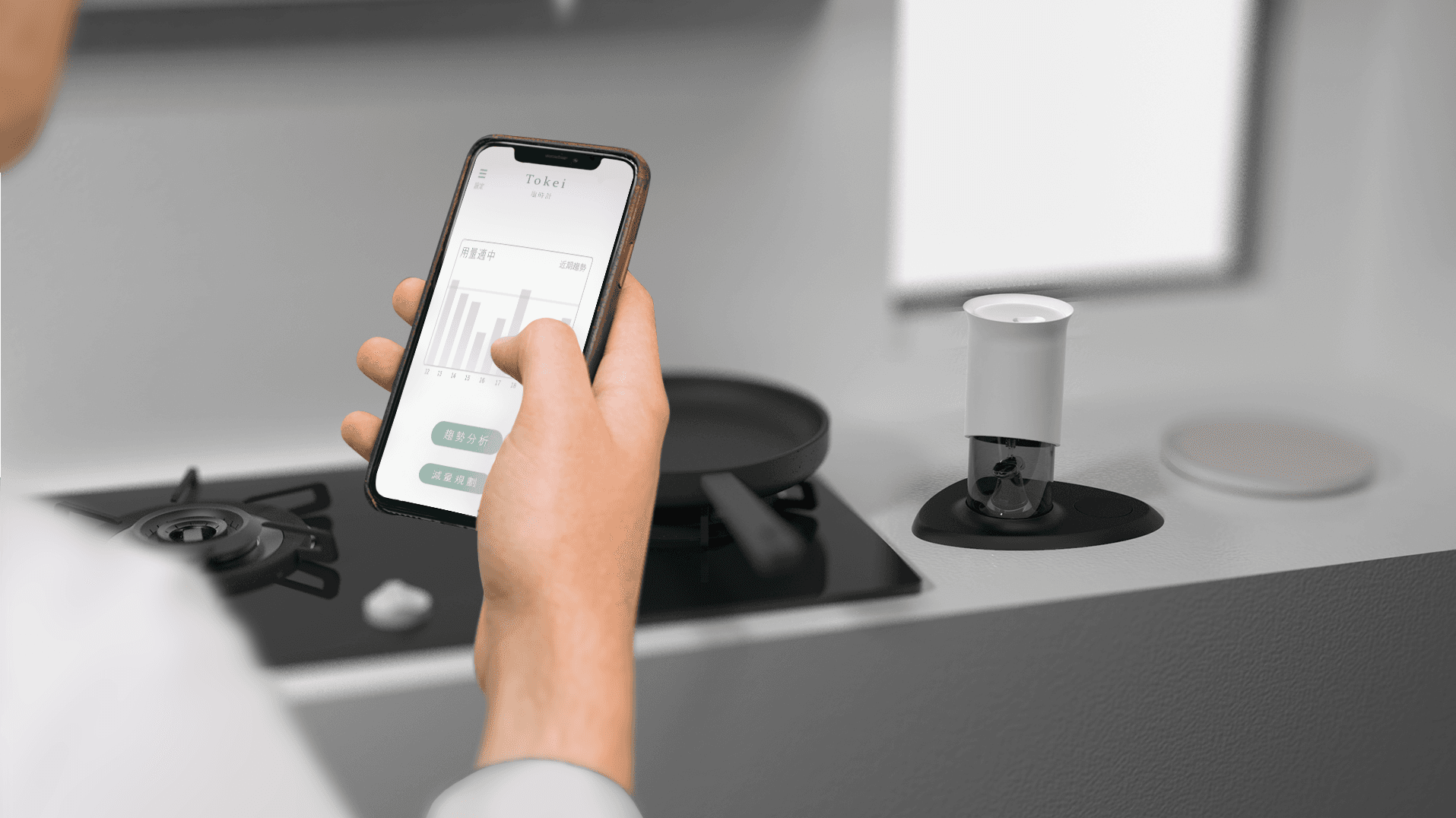
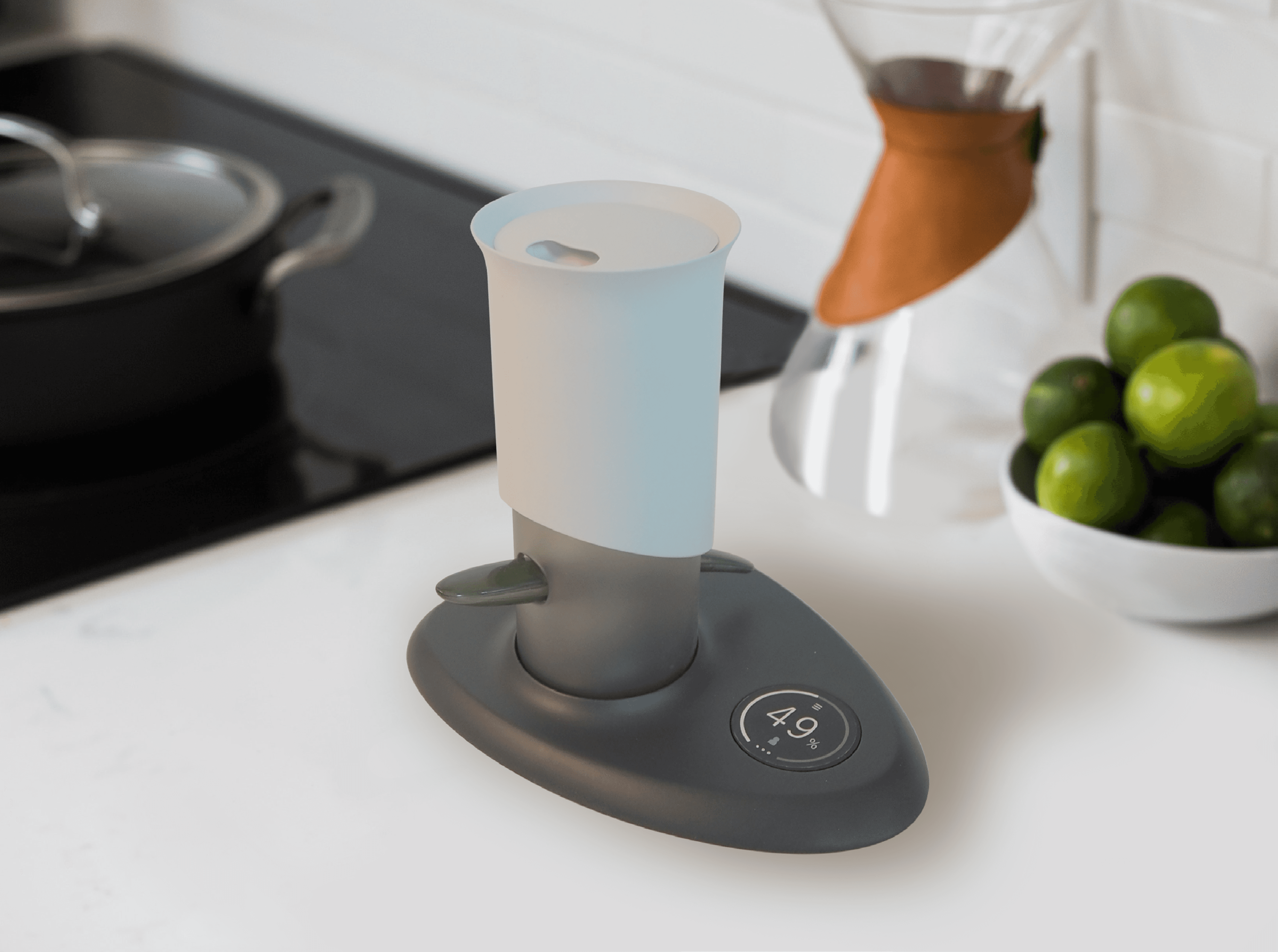
A circular interface displays daily salt intake percentage with color-coded feedback.
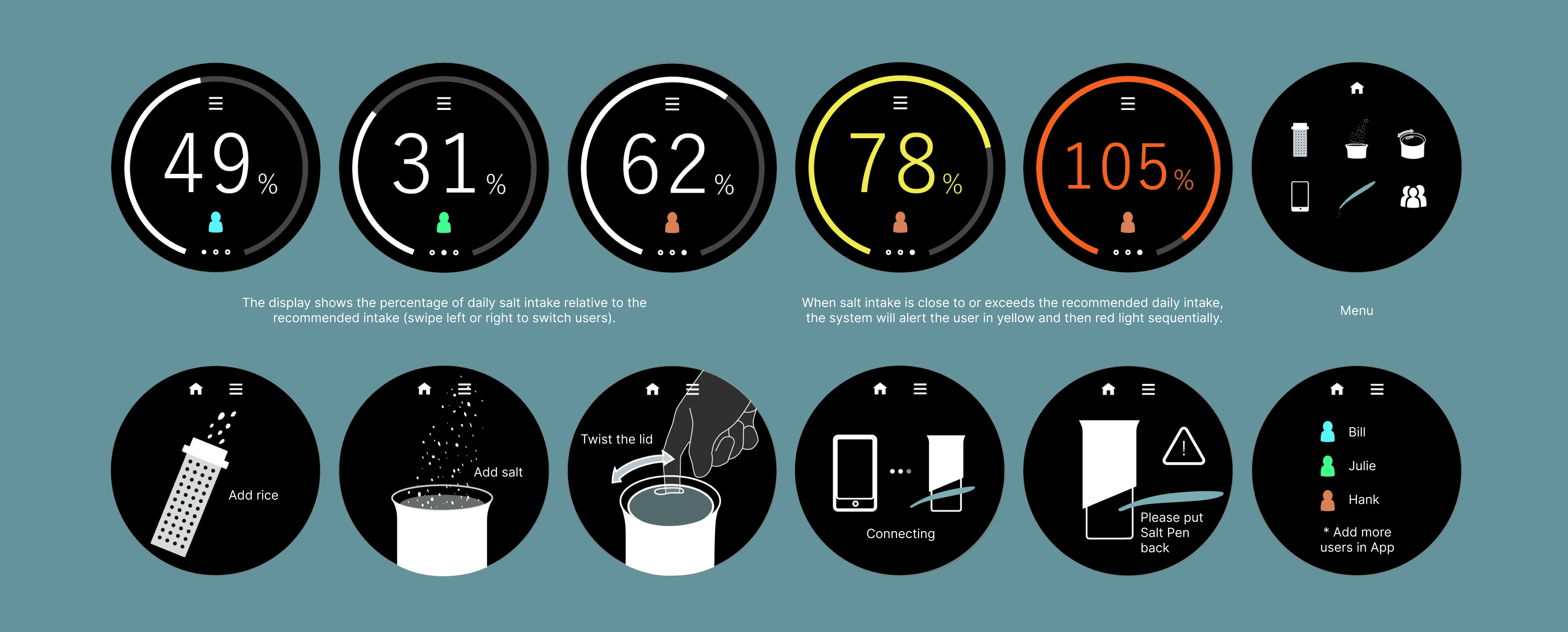
The combination of physical constraint and digital feedback creates a gentle nudge toward healthier habits.
Results and Impact
Transforming an unconscious habit into measurable behavior
The final prototype reduced salt output per shake and increased user awareness of daily intake. Users reported that the pen format felt natural, and the visual feedback helped them understand their consumption patterns without feeling restricted.
Conclusion
Designing behavior change through human-centered interaction
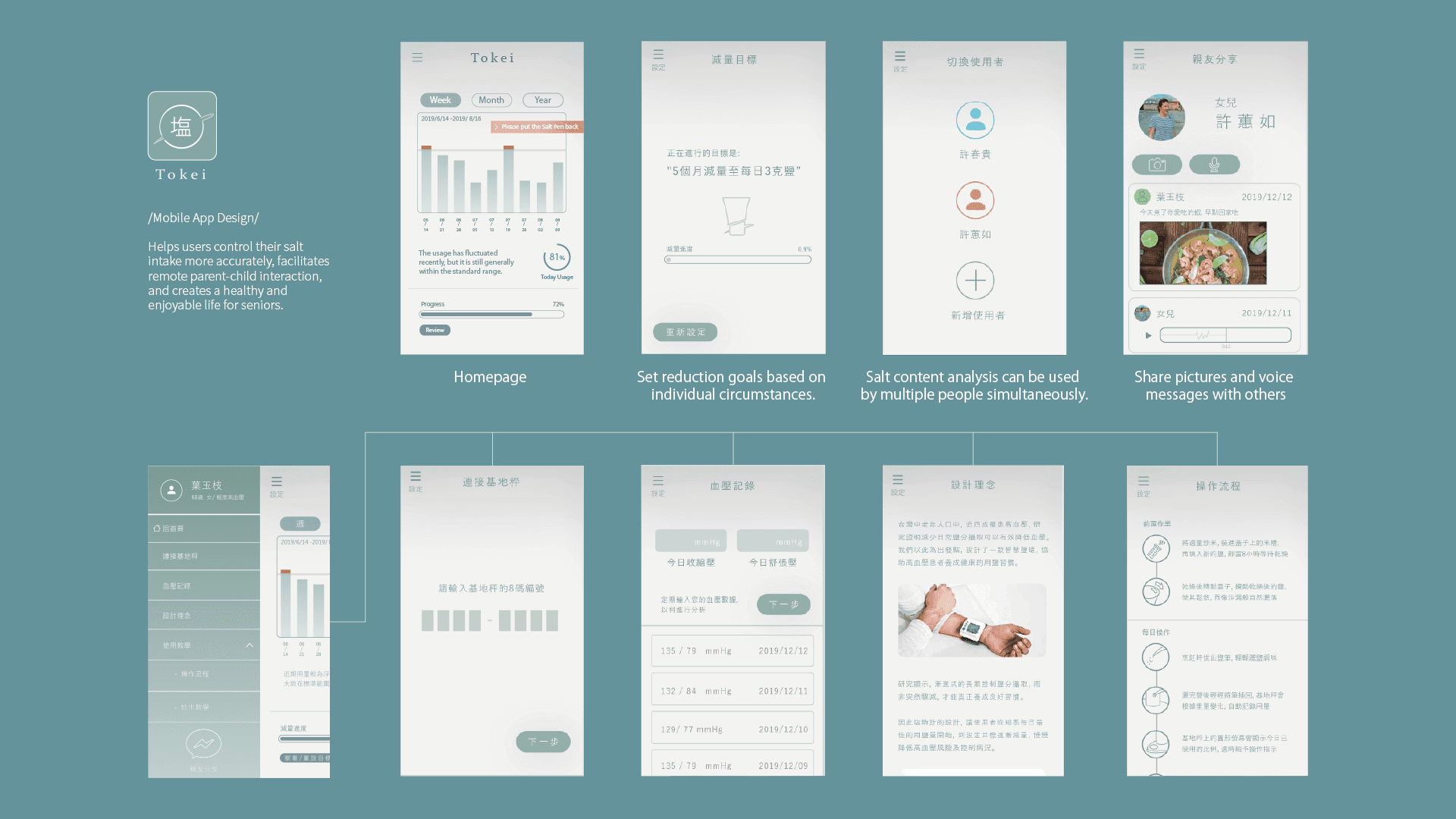
This project demonstrated how physical design and interface systems can work together to reshape daily habits. In retrospect, I would further explore connected app integration and long-term behavioral data analysis. Next steps would include clinical validation and IoT expansion for remote family monitoring.
Read more